Civic & Massive
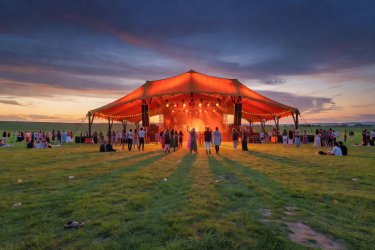
Roskilde Festival
Founded in 1971 on Zealand, Denmark, Roskilde operates as a non-profit cultural city of over 100,000 participants, famous for its Orange Stage legacy.
Read Gathering ProfileIndependent Nordic Sound Field Guide
A journey through northern European music rarely follows the cadence of standard tour circuits. The Nordic countries are not one single sonic monolith; instead, geography, light, civic funding, and architectural pride cultivate radically divergent listening traditions. In Denmark, open meadow traditions foster week-long communal temporary cities. Across Norway and Iceland, dramatic topographies demand acoustic reverence or intimate cavernous clubs where sub-genres of black metal, experimental ambience, and neoclassical electronics brew throughout perpetual winter.
Whether your instinct draws you toward the midnight daylight of a Finnish archipelago festival or the timber-tuned acoustics of an urban Scandinavian symphony hall, finding live sound here requires identifying how and where you want to listen. This guide balances massive open-air gatherings with historic concert spaces and underground club basements.
While summer outdoor programmes claim worldwide headlines, the core musical pulse of the north survives through permanent urban venues. These metropolitan centres balance historic opera houses with grassroots industrial warehouses that operate from September through May.
Home to the historic Vega complex in Vesterbro and the pristine DR Koncerthuset designed by Jean Nouvel.
Compact, walkable volcanic soundscape anchored by the glass prisms of Harpa and subterranean punk cellar Gaukurinn.
From the waterfront Norwegian National Opera to the venerable rock institution Rockefeller Music Hall.
Industrial energy radiating from the Suvilahti cultural complex and Tavastia Klubi, Europe's oldest rock stage.
Open-air events in northern latitudes run on unique seasonal rhythms. High summer brings nearly twenty-four hours of sun, giving outdoor music an endurance-based social dimension unmatched in southern European venues.
Founded in 1971 on Zealand, Denmark, Roskilde operates as a non-profit cultural city of over 100,000 participants, famous for its Orange Stage legacy.
Read Gathering Profile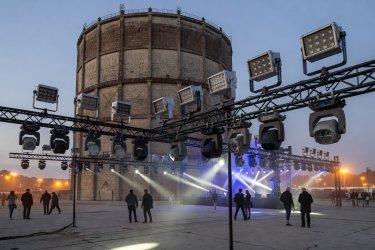
Staged at Helsinki’s Suvilahti power plant, Flow juxtaposes cutting-edge electronic beats, avant-garde art, and world-class Nordic gastronomy.
Read Gathering Profile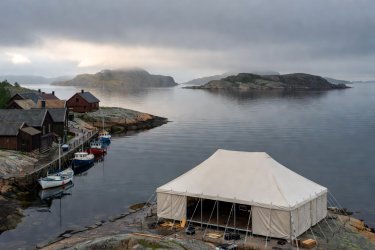
Nestled in Oslo’s Tøyen Park, Øya combines world-leading environmental sustainability protocols with impeccable indie and alternative bills.
Read Gathering ProfileFor purists of frequency and timber, the Nordic architectural renaissance has generated some of the most acoustically refined rooms on Earth. Rather than temporary sound reinforcement, these locations offer tailor-made resonance boxes.
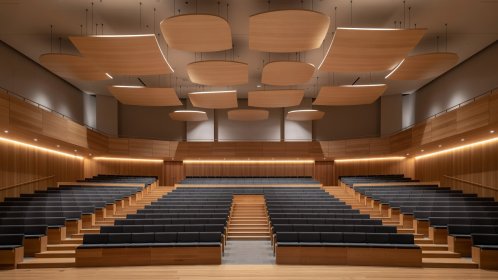
From Reykjavik's basalt-inspired Harpa Concert Hall to Jean Nouvel’s glowing blue cube at DR Byen in Copenhagen, indoor acoustics are treated with state-supported reverence. Acoustic engineer Yasuhisa Toyota worked intimately on both rooms to yield crystalline spatial balance.
These halls celebrate orchestral masterpieces, dark ambient soloists, and intimate Nordic folk ensembles during long winter seasons.
Explore Indoor VenuesBefore packing your bags, evaluate which environment serves your travel intent:
| Dimension | Open-Air Summer Gatherings | Year-Round Concert Rooms |
|---|---|---|
| Primary Season | June through late August | September through late May |
| Sound Environment | High-volume line arrays subject to wind, open fields | Tuned acoustic baffles, quiet isolation, precise amplification |
| Audience Flow | Fluid movement, multiple stages, communal camping | Fixed seating or designated club pits, focused duration |
| Booking Focus | Broad spectrum: global headliners to emergent acts | Specialist curations, symphonic works, club tour circuits |
| Logistical Effort | Requires waterproof gear, stamina, advanced transit passes | Direct city transit, local neighbourhood dining, warm interiors |
Designing an itinerary around sound allows you to experience Nordic transit systems at their finest. Fast electric rail lines like the SJ network connect Stockholm directly to Gothenburg’s Way Out West in Slottsskogen. Danish DSB links Copenhagen Central to Roskilde in a breezy twenty-five minutes. Meanwhile, Norwegian ferries and regional trains like the Bergen Line turn simple gig travel into monumental landscape theatre.
We advocate taking sufficient time to wander regional record shops like Bengans in Gothenburg or Sound Station in Copenhagen before stepping through venue doors.
A few practical guidelines ensure your listening travels proceed smoothly:
Virtually nowhere. Denmark, Sweden, Norway, and Finland operate as predominantly cashless environments. Open-air festivals and historic basement clubs alike require contactless cards or mobile wallets for wristbands, cloakrooms, food stands, and merchandise.
City-centre festivals like Øya in Oslo and Way Out West in Gothenburg cease main-stage programming between 23:00 and midnight to adhere to municipal noise bylaws. However, they transition immediately into night programmes in clubs throughout the host municipality.
Editorial Notice & Independence: brightbasnorroqust.sbs is an independent cultural guide for music travellers. We do not sell tickets, accept affiliate kickbacks, or represent any festival board, commercial promoter, or municipal tourism department. All assessments reflect our dedication to genuine acoustic and cultural listening value.