Strategic Music Itinerary Building
Planning a trip around live music in northern Europe requires balancing high punctuality with realistic geographic pacing. While domestic train networks are extraordinarily dependable, distances across Sweden, Norway, and Finland are much larger than first-time visitors anticipate. Trying to combine Øya in Oslo and Flow in Helsinki across a single weekend invariably leads to exhaustion and missed gigs.
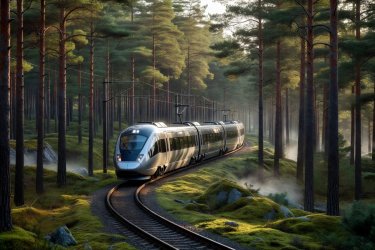
Instead, prioritize regional corridors linked by high-speed rail or scenic ferry links. The three-hour train ride between Copenhagen and Gothenburg, or the overnight Baltic ferry between Stockholm and Helsinki, are classic routes that integrate music, scenery, and effortless travel.
Transit Corridors
Rail & Sea Connectivity
The SJ high-speed train connects Stockholm Central to Gothenburg Central in just over three hours. The Øresundståg crosses the iconic Øresund Bridge between Copenhagen Central and Malmö in 35 minutes. To traverse the Baltic between Sweden and Finland, overnight ferries operated by Viking Line or Tallink Silja offer comfortable cabins and midnight sea vistas.
Equipment Advice
Weather & Thermal Layering
Nordic summers can shift from 26°C bright sunlight to 12°C driving rain within two hours. At outdoor festivals like Roskilde or Øya, leave delicate footwear at home. Bring a breathable waterproof shell jacket, wool socks, and sturdy boots. In winter concert travel, venues offer efficient, mandatory supervised coat-check rooms (garderobe) for 30–40 DKK/SEK/NOK.
Financial Readiness
Cashless Society Reality
Physical paper banknotes are largely obsolete across the Nordic music ecosystem. Everything from festival beer tokens to small artist merchandise tables requires chip-and-PIN, contactless Visa/Mastercard, Apple Pay, or Google Pay. Notify your banking institution in advance to ensure international transactions are unblocked.
The Golden Rules of Nordic Venue Etiquette
Concert culture in Denmark, Sweden, Norway, and Finland is renowned for mutual respect and attentive listening. Understanding local norms guarantees a smoother experience:
The "Quiet Room" Expectation (Lyttepost)
During acoustic, neoclassical, or seated theatre shows, Nordic crowds are notoriously attentive. Loud conversation during performance songs is considered deeply discourteous. In symphonic venues, silence between movements is strictly observed until the conductor lowers their hands.
Ear Protection is Ubiquitous
Decibel limits across Sweden and Denmark are strictly monitored by environmental health authorities (typically pegged around 100 to 103 dBA Leq). Nonetheless, almost all venue bars, cloakrooms, and festival medical tents provide complimentary or low-cost foam hearing protection. Wearing ear protection is considered standard listening hygiene, not uncool.
Punctual Door Schedules
Unlike some Mediterranean or Latin American gig cultures where headliners take the stage hours after listed times, Nordic timetables are exact. If a ticket states "Support 20:00 / Headliner 21:00," the band will step onto the stage within two minutes of nine o'clock.
Transit Notice: National train operators include DSB (Denmark), SJ (Sweden), Vy (Norway), and VR (Finland). Advance ticket reservations opened 90 days before departure generally yield the lowest fares.