Open-Air & Seasonal Gatherings
Gather around the music
The Nordic Festival Phenomenon
In northern Europe, the summer festival is not merely an entertainment event; it is an annual social contract. Because dark, sub-zero winters demand months of interior introspection, the arrival of June sparks a collective migration into open fields, coastal parks, and converted industrial shipyards. The midnight sun alters time itself: when dusk fails to fall, audiences remain energized across eight consecutive days of music, art installations, and community action.
Unlike many commercial festivals elsewhere, the Nordic festival scene is marked by a distinctive non-profit heritage and an unyielding commitment to environmental leadership. Stages are engineered to avoid plastic waste, meals are overwhelmingly organic and plant-based, and profits are routinely channelled directly back into grassroots cultural development.
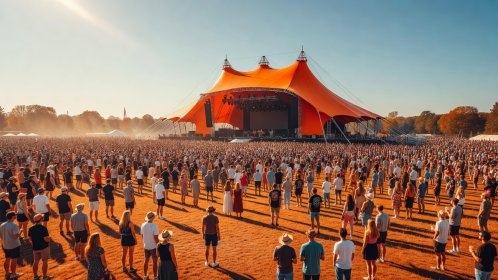
Roskilde Festival: The Non-Profit Titan
Situated thirty kilometres west of Copenhagen, Roskilde is one of the world's most revered independent cultural gatherings. Run entirely by the Roskilde Festival Charity Society, it recruits over 30,000 volunteers each year to run an autonomous community that hosts over 130,000 citizens.
Its spiritual heart remains the canopy of the Orange Stage (originally used on tour by The Rolling Stones in 1976), accompanied by pioneering stages like Avalon, Gloria, and Arena that showcase everything from obscure West African highlife to cerebral electronic soundscapes.
Flow Festival: Helsinki's Industrial Canvas
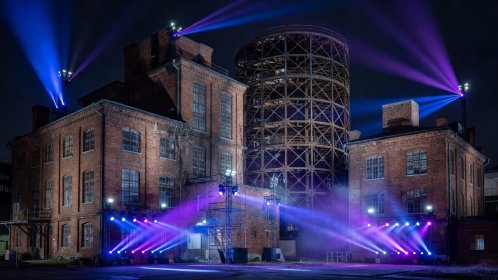
Occupying the former power plant district of Suvilahti in central Helsinki, Flow reimagines what a contemporary urban festival can be. Instead of mud and tents, Flow builds bespoke geometric light cubes, transforms century-old brick turbine halls, and features the spherical, silver Balloon 360° stage.
Curators at Flow refuse to separate pop stardom from avant-garde experimentation. Within a two-hour window, listeners comfortably drift from international synth-pop headliners to meditative ambient synthesizers or regional contemporary jazz showcases.
Øyafestivalen: Oslo's Green Sanctuary
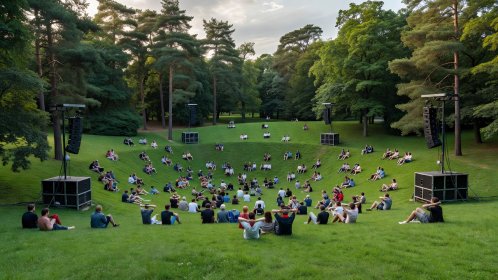
Set across the rolling hills of Tøyen Park in east Oslo, Øya demonstrates an almost fanatical attention to detail. Over 90% of food sold within the perimeter is certified organic, and waste management achieves near-total recycling rates via comprehensive closed-loop hand separation.
Musically, Øya highlights Norwegian sonic identities—from atmospheric Nordic folk and black metal innovators to boundary-pushing indie songwriters—framed alongside world-class international touring talent.
Way Out West: Slottsskogen
Slottsskogen park in central Gothenburg provides a pastoral backdrop for Way Out West, which has made international headlines for its uncompromising 100% vegetarian site policy and rigorous carbon audits.
When the main park stages turn off at 23:00 to protect nearby neighbourhood quiet, the festival shifts seamlessly into Stay Out West—an expansive late-night programme taking over independent venues, churches, and historic theatres across the city.
Iceland Airwaves: Reykjavik's Multi-Venue Grid
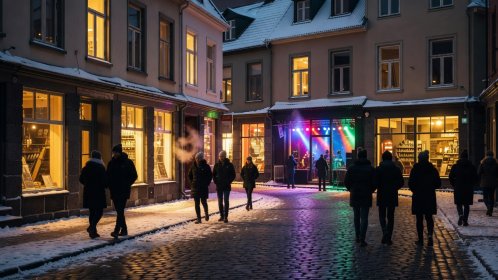
While most Nordic festivals celebrate the brief summer, Iceland Airwaves turns darkness into an asset. Staged in November throughout central Reykjavik, it converts churches, record stores, coffee houses, and museum galleries into high-definition performance spaces.
Airwaves is internationally famed for discovery. It provides an intimate platform where Icelandic experimentalists, string quartets, and global post-punk outfits perform mere inches away from audiences escaping the Atlantic wind.
Source Note: Operational guidelines and civic founding details compiled from Roskilde Festival Foundation public records, City of Helsinki Cultural Strategy, and Øyafestivalen Environmental Audits.